By: Leni Marlina
THE SKIES of Padang, West Sumatra-Indonesia, often whisper tales of yesteryears. Among the roaring waves of the Indian Ocean embracing Air Manis Beach and the steadfast Mount Padang adorning the horizon, a son of the Minangkabau land strides forward, leaving indelible footprints across time.
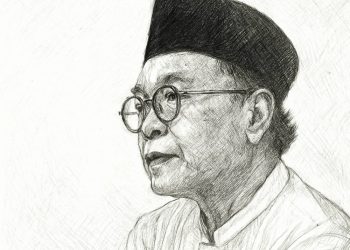
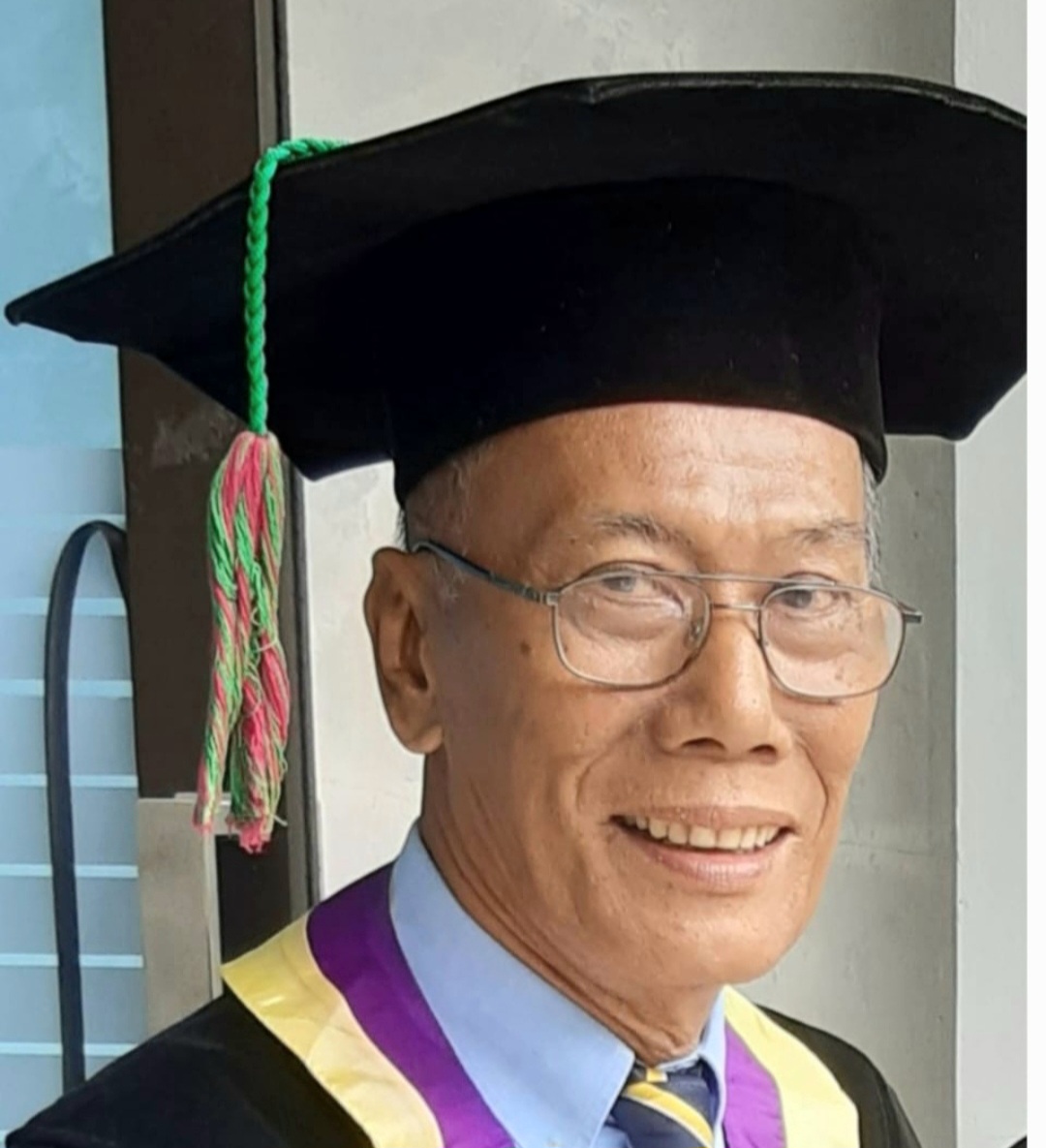
He is Prof Dr Harris Effendi Thahar, a celebrated writer, academician, and cultural revivalist whose contributions breathe life into Indonesia’s literary and educational landscapes.
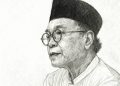

Born on January 4, 1950, in Tembilahan, Riau, Harris epitomizes the celebration of life through words and works. Raised in a family where intellectual pursuits were revered, his parents, Thahar Umar and Nurijah Rasyad, instilled a love for books and discussions. Their humble Minangkabau home became a sanctuary where the night winds carried stories, and books opened windows to the world.
“Reading under the dim light of an oil lamp felt like traversing the globe,” Harris once recalled. From this experience, he nurtured a profound passion for literature, which he carried forward as he navigated life’s intricate paths.
From Engineering to Literature
Harris began his formal education in Civil Engineering at a vocational school in Padang. This vibrant city, home to Universitas Negeri Padang (UNP), offered fertile ground for Harris to cultivate his academic career. He later pursued his studies at IKIP Padang, majoring in Architectural Education, and earned his Bachelor’s degree in 1976. It was here that he first recognized education as a platform for transformation.
Yet, like the relentless flow of Batang Arau River, Harris’s passion for literature remained undeterred. He continued to write, blending the essence of Minangkabau culture with broader social issues. “Writing is like carving a river’s current into a story; it mirrors movement and life,” he remarked.
Writing to Live and Revive
Harris’s extraordinary career began as a lecturer at IKIP Padang while simultaneously working as a journalist. Balancing academia and journalism enriched his perspectives, adding depth to his writings. His works began appearing in prominent national publications such as Kompas and Horison.
His iconic short story, Si Padang, published in 2003, critiques the Minangkabau diaspora for losing their cultural values. This narrative paints a stark contrast between the grandeur of Minangkabau traditions and the realities of urban life that often erode noble principles.
Harris’s vivid imagery captures the verdant rice fields spreading like carpets, the majestic rumah gadang in the heart of villages, and the morning mist embracing Mount Singgalang.
“A writer must listen to the voice of his land,” Harris often says, reflecting his commitment to preserving cultural roots. As Chinua Achebe aptly noted, “Until the lions have their own historians, the history of the hunt will always glorify the hunter.” Harris serves as the “lion” documenting history from his community’s perspective, amplifying voices often left unheard.
Works That Enrich and Enlighten
Harris’s body of work has profoundly shaped Indonesian literature. Among his notable publications are:
1. “Lagu Sederhana Merdeka” (1979)
2. “Si Padang” (2003, Kompas Publishing)
3. “Anjing Bagus” (2005, Kompas Publishing)
4. “Kopi Rasa Bahagia” (2020, Kabarita Publishing)
5. “Rumah Ibu” (2020, Kompas Publishing)
Each of these works offers warmth and deep reflection. “Kopi Rasa Bahagia”, a collection of essays, reflects Harris’s perspectives on daily life, while Rumah Ibu explores themes of love, loss, and timeless connections in human relationships.
Inspiration Beyond Borders
As an academician, Harris’s influence extends globally. In 1995, he served as a guest lecturer at the University of Tasmania, Australia, teaching Indonesian Language and Literature under the leadership of Prof. Ismet Fanany. This international exposure enriched Harris’s approach to literature and education, blending traditional values with contemporary insights.
Despite his global achievements, Harris remains deeply rooted in Minangkabau culture. He believes literature serves as a bridge between tradition and modernity. “A great writer is a bridge between the past and the future,” he asserts.
Maya Angelou’s quote resonates with Harris’s philosophy: “You can’t use up creativity. The more you use, the more you have.” His endless creativity demonstrates that writing is not merely about producing works but also about creating spaces for dialogue with future generations.
Leaving a Legacy That Transcends Time
Although he has earned the titles of Professor and Doctor, Harris remains humble. “I am the result of many hands that helped me stand,” he says, emphasizing that true success lies in inspiring others.
Together with his wife, Dra. Meitra Aziz, and their three accomplished children, Harris continues to write and teach, leaving an unforgettable legacy in education and literature. Like Mount Marapi, steadfast on the West Sumatran landscape, Harris symbolizes resilience and timelessness.
Albert Camus’s words aptly describe his enduring influence: “In the depth of winter, I finally learned that within me there lay an invincible summer.” Harris is the invincible summer of Indonesian literature—a figure who breathes life, inspires, and strides forward, breaking boundaries across generations.
(Leni Marlina —forumsumbar.com for Global Literary Forum, assisted by AI and supported by some Inspirational Literature Communities include: Poetry Community of Indonesian Society’s Inspirations (PPIPM-Indonesia); Poetry-Pen International Community; Literature Talk Community; and Indonesian Writers Community Satu Pena West Sumatra-Indonesia)